

 Bonani DOSH, Dhaka - 1230, Bangladesh
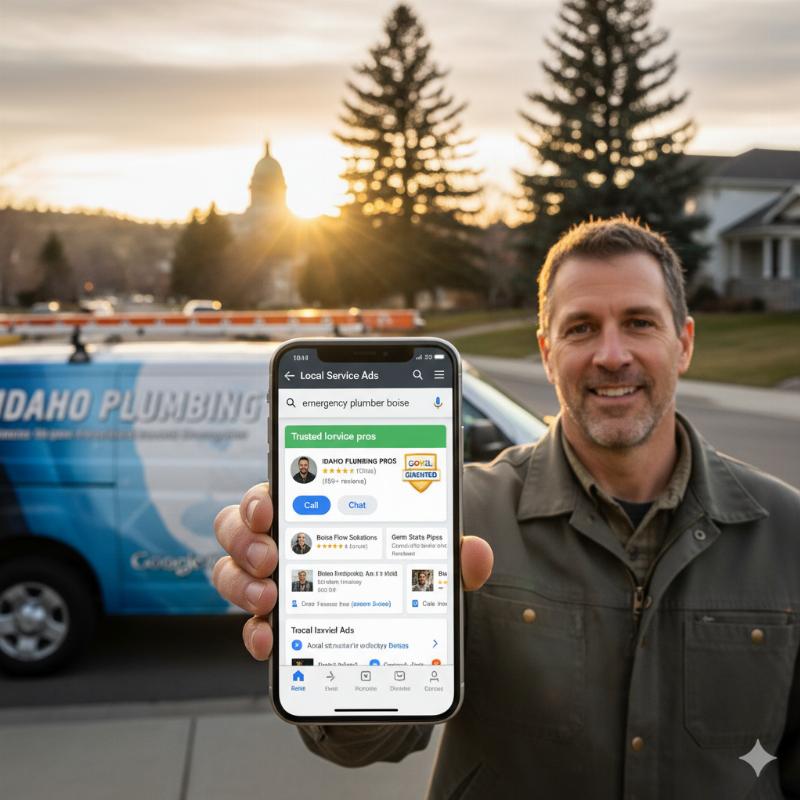

Idaho Local Services Ads: Eligibility, Setup and 2026 Changes
Google Local Services Ads (LSAs) are a lead-generation option for eligible local service businesses, but availability depends on the business category, location and account. They are not a universal “top ad” placement or a promise of qualified customers. For Idaho businesses, verify eligibility and the current setup path in Google’s account-specific flow before budgeting.
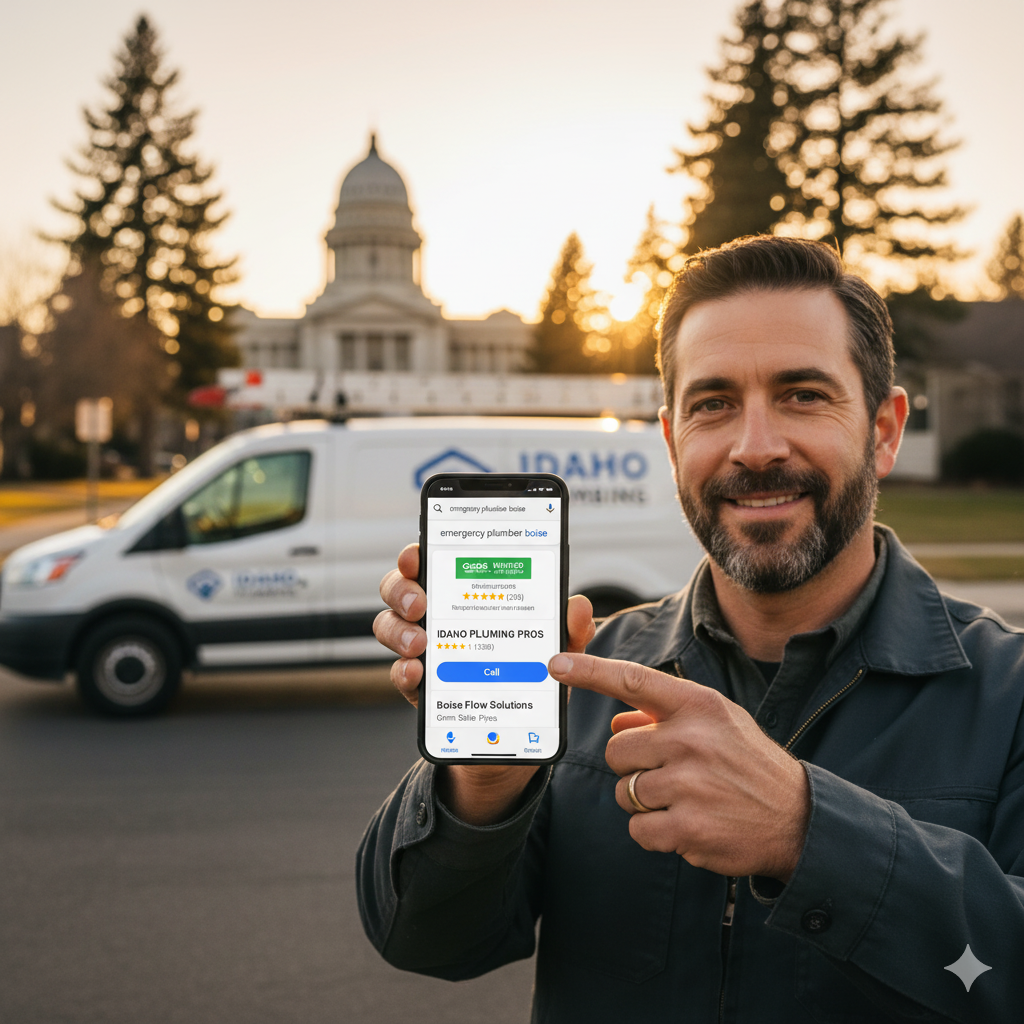
What Idaho businesses should check first
- Confirm the exact service category and coverage area. Search the current Local Services onboarding flow for your Idaho city and category. Do not assume that a neighboring city, trade or service-area business has the same eligibility.
- Confirm business requirements. Google may require business or representative checks and, depending on category and location, additional documents. Separately check Idaho and local licensing, insurance and registration rules with the relevant authority. Passing an ad-platform check is not a substitute for legal permission to perform a trade.
- Estimate the economics. Model what a lead is worth using your close rate, average contribution margin, service capacity and the cost of missed or unqualified enquiries. A lead is not the same as a completed job or revenue.
- Prepare for lead handling. Set realistic opening hours, service areas, contact details and response coverage. Review how calls, messages or bookings are classified and disputed in your account.
How the 2026 transition changes the workflow
Google's current Help Center describes a phased transition from Local Services Ads to Performance Max campaigns with pay-per-lead goals. The announced rollout starts in August 2026 for selected U.S. home and storefront service advertisers, expands to broader groups later in 2026, and includes non-U.S. accounts and remaining categories during 2027. That schedule does not tell an individual Idaho business whether it has migrated: check the notice and dashboard for the specific account.
After migration, Google says eligible pay-per-lead campaigns are managed in Google Ads, focus on Google Search and Maps, and use service-profile information rather than manually managed keywords. Google also states that historical LSA performance reports will not transfer, so save any reports you need before the account moves. Campaign creation and some bidding controls may differ from legacy LSA; follow the current instructions shown for your account.
Read Google's official Local Services Ads transition guide for the current timeline, account notices, budget behavior and migration FAQs. Google can revise the rollout, and account configuration determines what you see.
Measure lead quality, not just lead count
Track the number of valid contacts, the proportion that match your service area and job type, the response time, booked estimates, completed work and contribution after costs. Compare LSA leads with other channels using consistent definitions. Do not assume that a campaign is profitable because the platform reports calls or messages.
If you also run standard Google Ads, keep the reporting models distinct: LSA pay-per-lead billing and a regular click-based campaign do not represent the same cost or conversion event. This Google Ads conversion-tracking guide covers measurement concepts for standard website campaigns; it is not a setup manual for every migrated LSA account.
Practical launch checklist
- Verify category, Idaho service area and account migration status in Google's current interface.
- Complete only the checks and documentation shown for that category and account.
- Save historical reports before a migration if you need them for comparison.
- Set a budget against service capacity and an acceptable cost per qualified lead.
- Audit calls and messages regularly; challenge invalid leads using the current account process.
- Keep business licenses and insurance current under the applicable Idaho/local requirements.
Bottom line: Local Services Ads can be worth evaluating when a category is eligible and the business can answer and fulfil the leads. In 2026–2027, the account-specific migration notice is essential: do not rely on old screenshots, fixed fee examples or third-party promises about universal availability.
2026 Implementation Roadmap: Google Local Services Ads & Local Lead Generation
Turning strategy into measurable business growth requires a disciplined execution workflow. Across client engagements at Make Anything Simple, teams that outperform their competitors consistently focus on three pillars: clean technical foundations, first-party conversion measurement, and iterative creative or content testing. Rather than launching isolated tactics, use the phased roadmap below to align every campaign and page update with revenue outcomes.
Phase 1: Baseline Audit & Technical Readiness (Weeks 1?2)
- Search & UX Diagnostics: Audit existing landing pages for crawlability, indexation hygiene, mobile responsiveness, and Core Web Vitals (LCP under 2.5s, INP under 200ms, CLS below 0.1).
- Signal Integrity & Attribution: Verify that every primary conversion action?lead form submissions, WhatsApp/Messenger inquiries, checkout steps, and phone clicks?fires with deduplicated browser and server event IDs via Local SEO Services.
- Offer & Intent Alignment: Map each target keyword or audience segment to a dedicated page with a single primary call-to-action rather than sending paid or organic traffic to generic catch-all pages.
Phase 2: Structured Execution & Creative Testing (Weeks 3?6)
Once tracking and landing page fundamentals are verified, shift focus to controlled production velocity. Document every hypothesis before publishing new assets:
- Define the Primary KPI: Separate leading indicators (scroll depth, hook hold rate, qualified click-through rate) from lagging business metrics (cost per qualified lead, customer acquisition cost, and net ROAS).
- Build Modular Assets: Structure page sections and ad creatives modularly?headline hook, proof block, objection handler, and risk-reversal CTA?so individual elements can be swapped without rebuilding from scratch.
- Internal Linking & Funnel Continuity: Connect informational guides directly to commercial solution pages such as Google Ads Management and transparent package comparisons on Google Ads Pricing so high-intent visitors can act immediately.
Key Performance Indicators (KPIs) to Monitor Monthly
Avoid vanity metrics that mask inefficient spend or low-intent traffic. Review the following scorecard during weekly and monthly growth reviews:
- Qualified Conversion Rate (CVR): Percentage of sessions that result in a verified sales inquiry, booking, or completed checkout.
- Event Match & Attribution Quality: Consistency between ad platform reported conversions, GA4 key events, and actual CRM or backend orders.
- Content & Landing Page Indexation Ratio: Share of published URLs that earn active impressions and clicks in Google Search Console without canonical conflicts or thin-content flags.
- Payback Period & LTV:CAC Ratio: Time required for gross margin from acquired customers to recover initial marketing and production investment.
Common Pitfalls That Stall Growth (And How to Fix Them)
When campaigns or organic pages plateau, the root cause is rarely a single algorithm change. In most audits, performance drops trace back to one of four operational gaps:
- Fragmented Tracking: Running paid campaigns or publishing content without server-side event validation leads to blind budget allocation. Pair your funnel with Tracking & Analytics Services to keep data reliable.
- Slow or Cluttered Landing Experiences: Heavy scripts, unoptimized images, and unclear pricing create friction on mobile networks. Explore our Web Design Services to build fast, conversion-focused layouts.
- Inconsistent Follow-Up Speed: Leads contacted within five minutes convert at significantly higher rates than leads contacted hours later. Automate instant confirmation and routing across web, WhatsApp, and Messenger.
- Unstructured Scope & Budgeting: Scaling without clear deliverables creates bottlenecks. Review standardized deliverables and turnaround times on our Google Ads Pricing page before kicking off your next sprint.
Frequently Asked Questions
How long does it take to see measurable results from Google Local Services Ads & Local Lead Generation?
Technical fixes, tracking repairs, and landing page conversion improvements typically show measurable lift within 14 to 30 days. Compounding organic search authority and multi-channel customer acquisition pipelines generally mature over a 60-to-90-day testing cycle.
Should we prioritize traffic volume or conversion rate optimization first?
Always fix conversion readiness and measurement accuracy first. Doubling conversion efficiency from 1.5% to 3.0% immediately halves your effective acquisition cost across every future traffic source?organic, paid, and referral.
How can Make Anything Simple help implement this workflow?
Our team handles end-to-end strategy, technical implementation, creative production, and ongoing optimization. You can explore our Google Ads Management, compare transparent packages on Google Ads Pricing, or contact our team for a tailored audit and implementation roadmap.